Siberian gallop
Pamela Wedgwood (b. 1947) · General Knowledge study guide
← All General Knowledge guidesAMEB Grade 2 General Knowledge
A score-based guide for the General Knowledge section of AMEB Cello Grade 2, using the cello part.

Notes and rests
Note values
| Value | Relationship |
|---|---|
 Minim Minim | Equal to two crotchets. |
 Crotchet Crotchet | Equal to two quavers. |
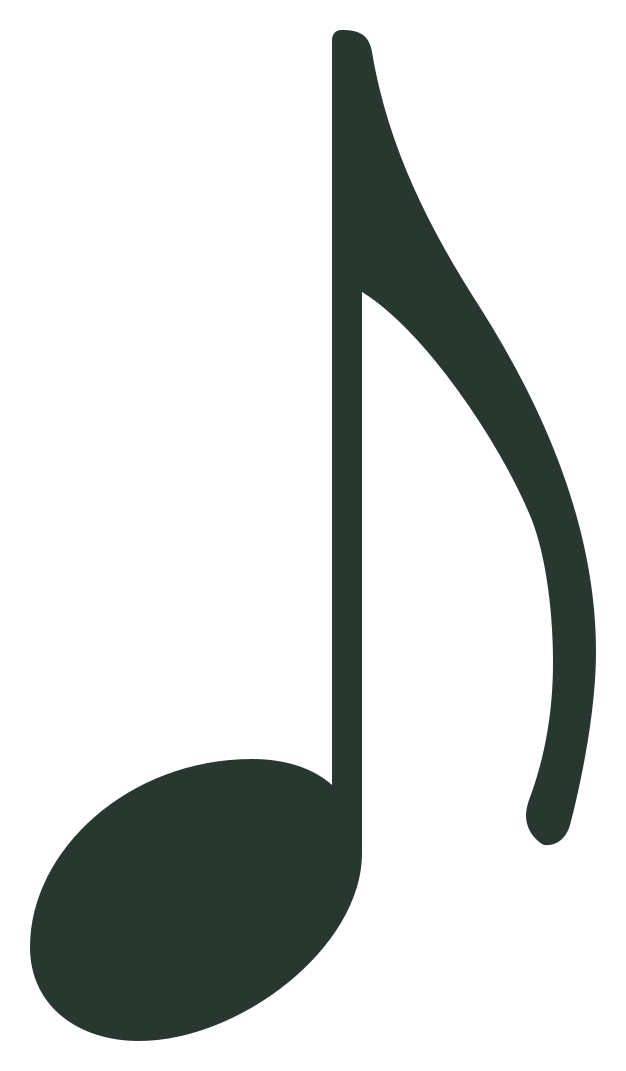 Quaver Quaver | Half the value of a crotchet. |
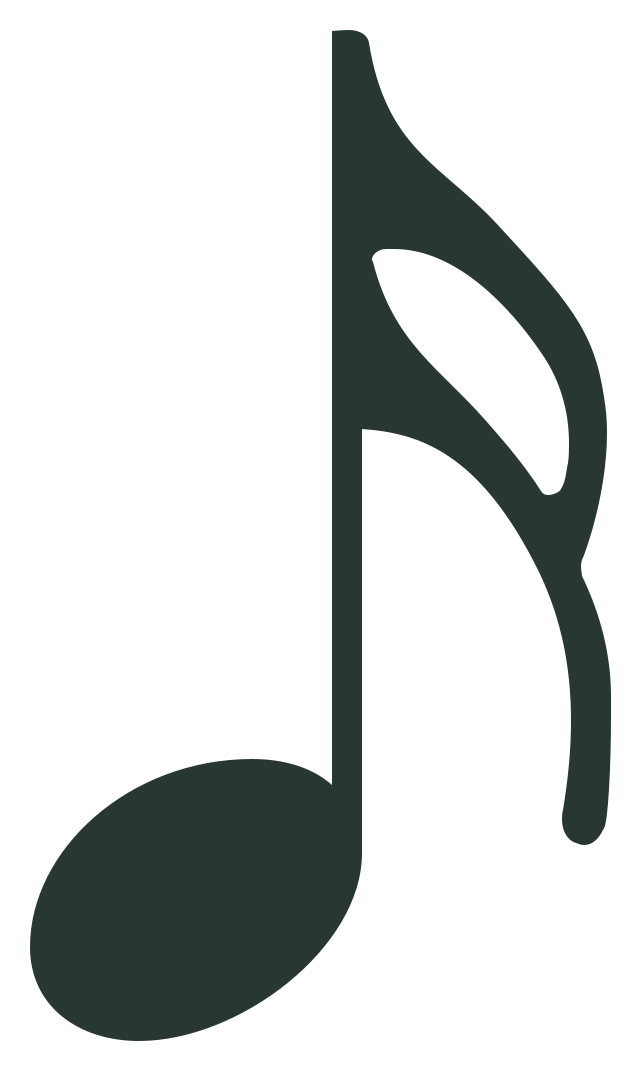 Semiquaver Semiquaver | Half the value of a quaver. |
Rest values
| Value | Relationship |
|---|---|
 Whole-bar rest Whole-bar rest | One complete bar of silence. |
 Four-bar rest Four-bar rest | Four complete bars of silence. |
 Crotchet rest Crotchet rest | Silence for the value of one crotchet. |
 Quaver rest Quaver rest | Silence for the value of one quaver. |
Common time: four crotchet beats in a bar.
Signs, terms and symbols
| Marking | Meaning | Where |
|---|---|---|
| with energy | With energy: play with an energetic character. | Beginning |
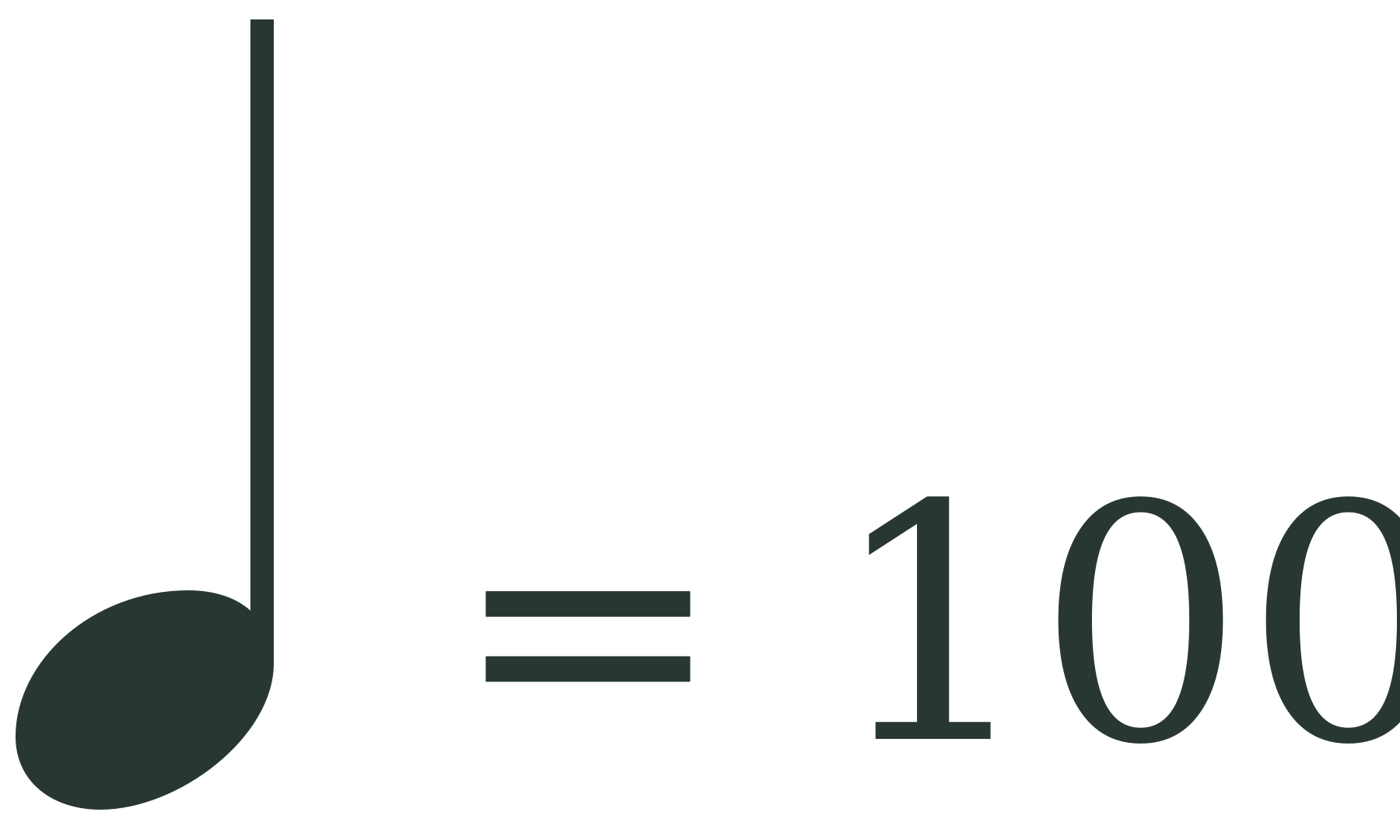 | Metronome mark: 100 crotchet beats per minute. | Beginning |
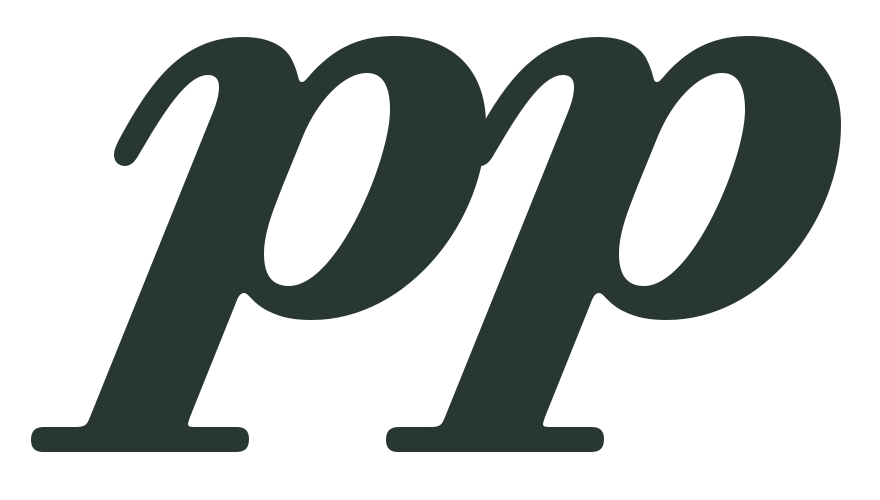 | Pianissimo: very soft. | Bar 32, halfway through the bar |
 | Piano: soft. | Bar 32 |
 | Mezzo piano: moderately soft. | Bar 8 |
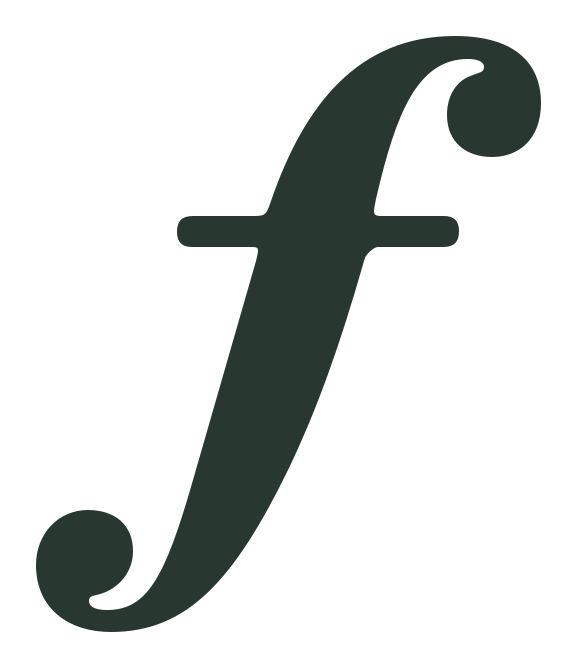 | Forte: loud. | Bar 2, first note |
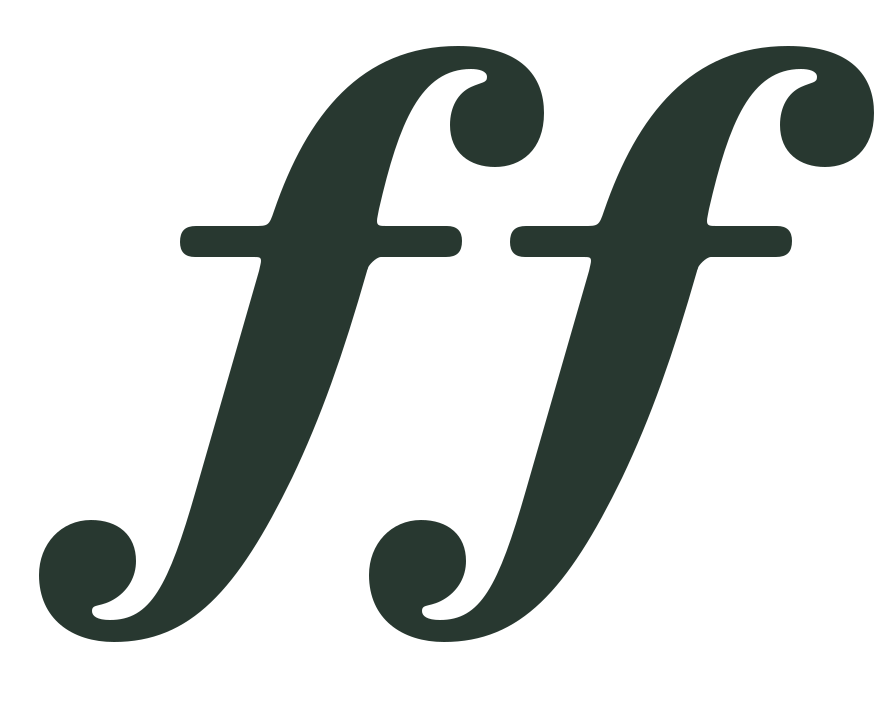 | Fortissimo: very loud. | Bar 21, beat 3 |
| cresc. | Short for crescendo: gradually become louder. | Bar 20 |
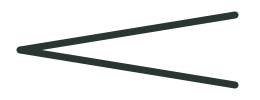 | Crescendo: gradually become louder. | Bar 9, beats 3–4 |
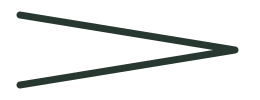 | Diminuendo: gradually become softer. | Bar 3 |
 | Accent: give the note extra emphasis. | Bar 13, beat 3 |
 | Staccato: play the note short and detached. | Bar 31, beat 3 |
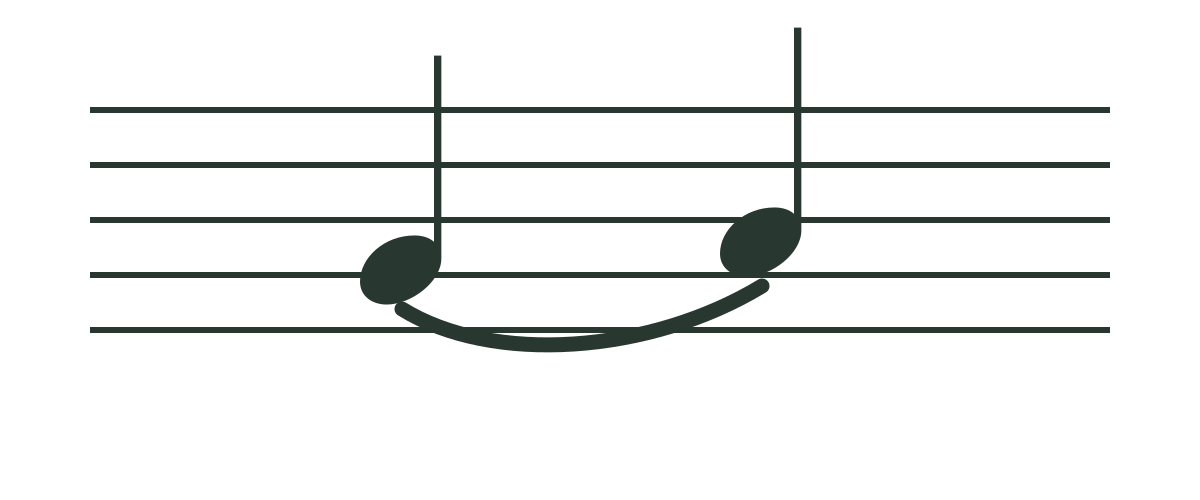 | Slur: play the notes smoothly in one bow. | Bar 2, beat 3 |
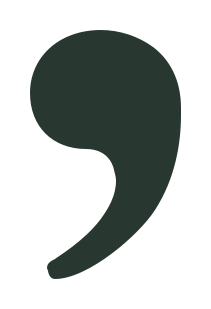 | Breath mark: make a small break or lift before continuing. | End of bar 17 |
 | Down bow: begin the stroke at the frog and move the bow towards the tip. | Bar 2, first note |
 | Up bow: begin the stroke at the tip and move the bow towards the frog. | Bar 5, beat 4 |
 | Natural harmonic: lightly touch the string at a harmonic point to produce a clear, high overtone. | Bar 32, final note |
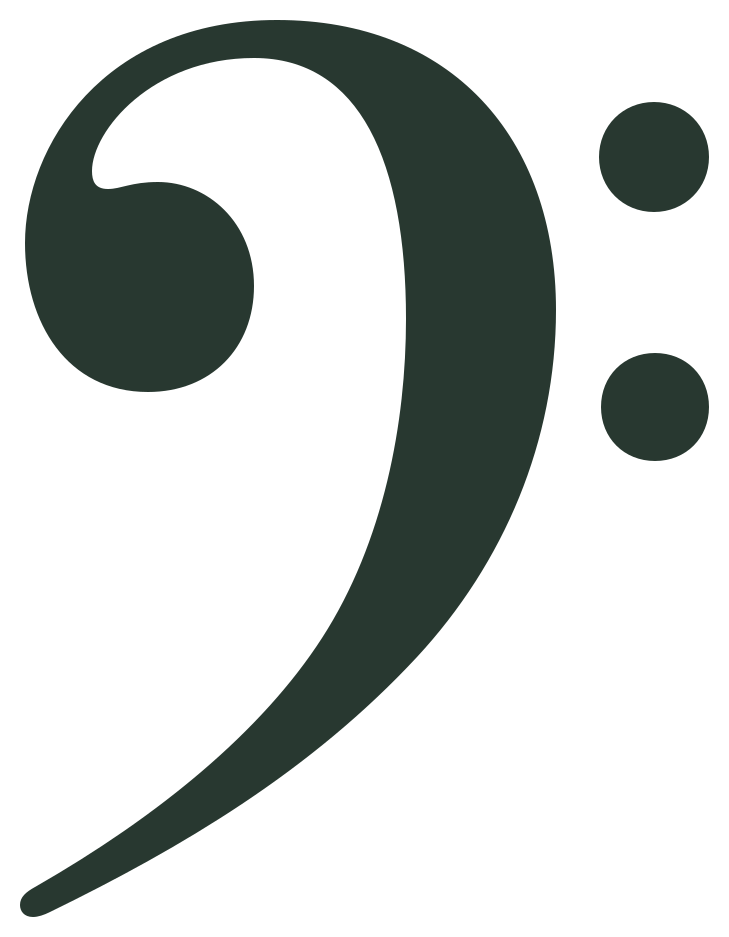 | Bass clef (F clef). | Beginning |
 | Flat: lowers a written note by one semitone. | Key signature, beginning |
 | Natural: cancels a sharp or flat and returns the note to its natural pitch. | Bar 7, beat 2 |
 | Sharp: raises a written note by one semitone. | Bar 7, beat 1 |
| Common time: the same as 4/4 — four crotchet beats in a bar. | Beginning |
 | Fermata: hold the note longer than its written value. | Bar 32, final note |
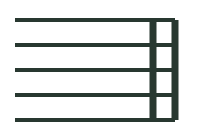 | Double barline: two vertical lines marking a division or, here, the end of the piece. | End of bar 32 |
Key and tonality
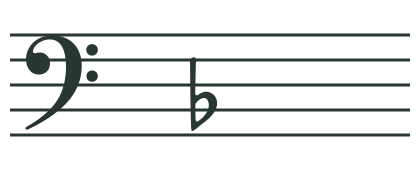
Key: D minor.
Key signature: B♭.
Key changes: there is no obvious, clear-cut modulation to another key.
Melodic-minor colour: C♯ followed by B♮ in bar 7 gives the music a D melodic-minor flavour. It does not create an obvious, clear-cut change of key.
About the title
Siberian gallop suggests both character and motion. The D-minor tonality gives the piece a darker colour, while its energetic, driving rhythm creates the sense of a gallop.
Form
Ternary (ABA) — Broadly ABA in character.
Exam-style questions
- What key is Siberian gallop in?
Show answer
D minor.
- What does the common-time symbol mean?
Show answer
Common time means 4/4: four crotchet beats in a bar.
- What does with energy tell you, and what does crotchet = 100 mean?
Show answer
Play with an energetic character. Crotchet = 100 means 100 crotchet beats per minute.
- What do the down-bow and up-bow symbols mean?
Show answer
Down bow means move the bow from frog towards tip. Up bow means move the bow from tip towards frog.
- What do f, mp, ff, p and pp mean?
Show answer
Forte = loud; mezzo piano = moderately soft; fortissimo = very loud; piano = soft; pianissimo = very soft.
- What do the crescendo and diminuendo markings mean?
Show answer
Crescendo means gradually become louder. Diminuendo means gradually become softer.
- What is cresc. short for?
Show answer
Crescendo: gradually become louder.
- What does the comma-shaped breath mark at the end of bar 17 mean?
Show answer
Make a small break or lift before continuing.
- What do the staccato dot, harmonic circle and fermata mean?
Show answer
Staccato means short and detached. The small circle indicates a natural harmonic. A fermata means hold the note longer than its written value.
- What does the title Siberian gallop suggest about the music?
Show answer
The D-minor colour gives the piece a darker character, while the energetic, driving rhythm suggests the motion of a gallop.
This independent study guide is based on the cello part and is not published or endorsed by AMEB. Musical symbol artwork is based on Bravura, the SMuFL reference music font.