Tarantella
Katherine Colledge and Hugh Colledge · General Knowledge study guide
← All General Knowledge guidesAMEB Grade 2 General Knowledge
A score-based guide for the General Knowledge section of AMEB Cello Grade 2, using the cello part.
Notes and rests
Note values
| Value | Relationship |
|---|---|
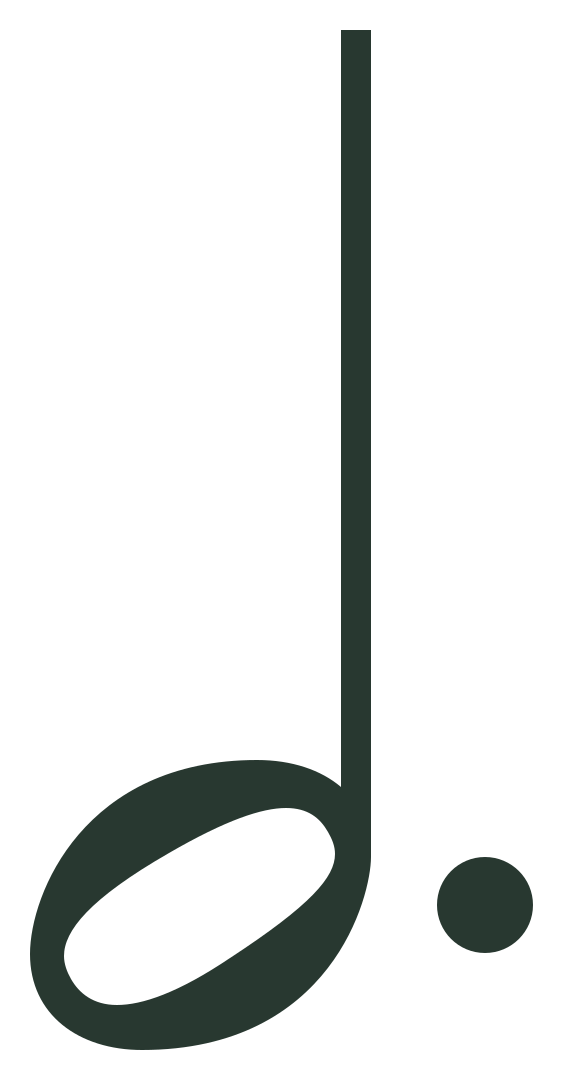 Dotted minim Dotted minim | Equal to three crotchets. |
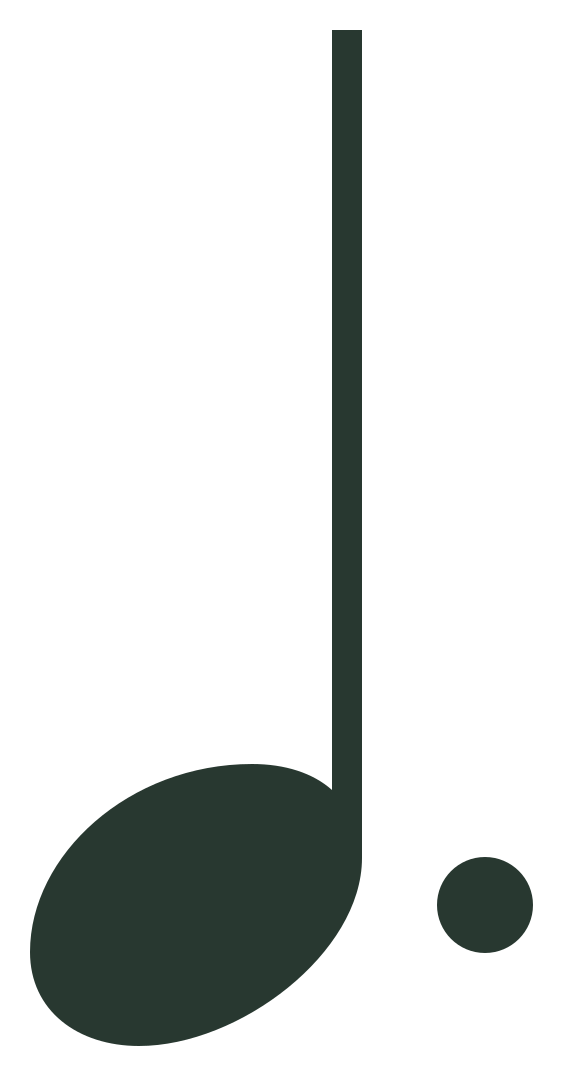 Dotted crotchet Dotted crotchet | Equal to three quavers. |
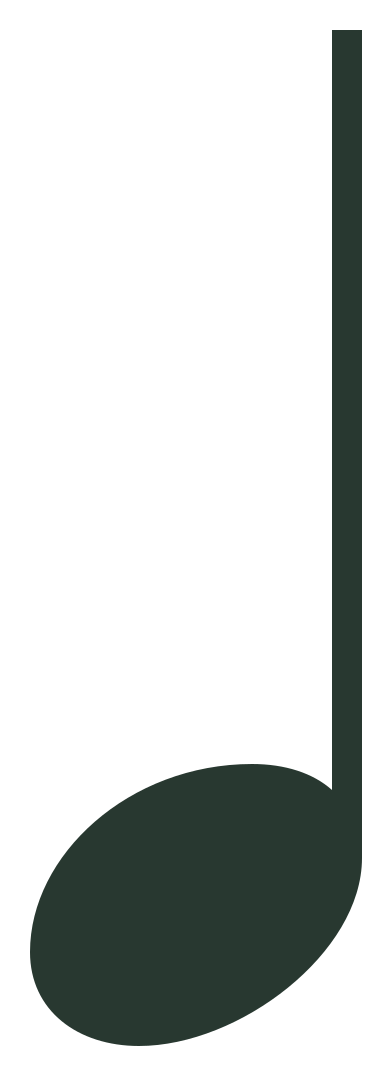 Crotchet Crotchet | Equal to two quavers. |
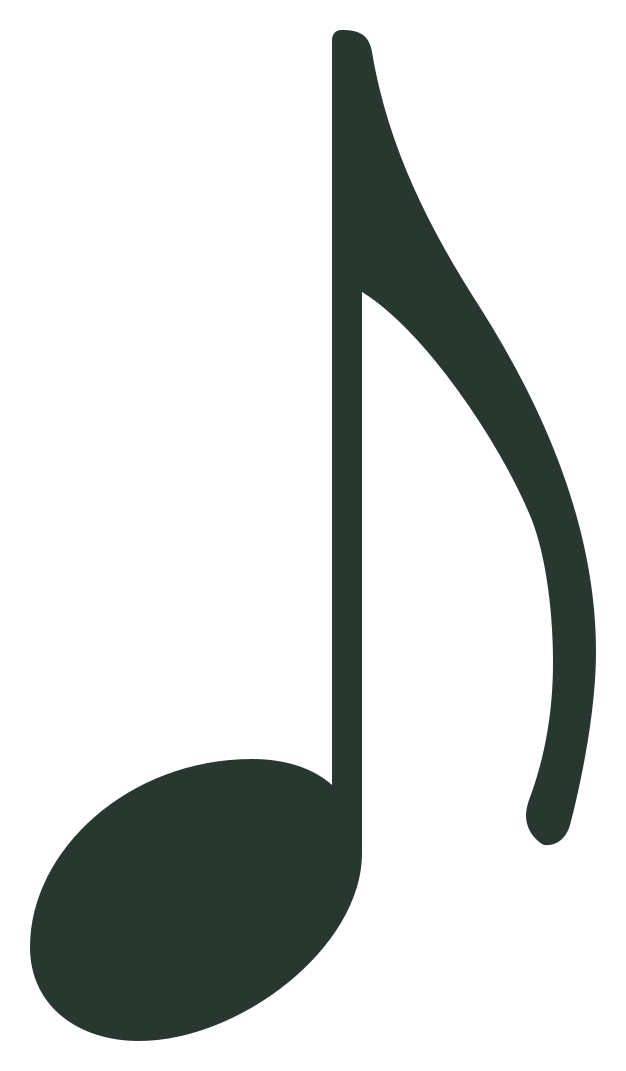 Quaver Quaver | Half the value of a crotchet. |
Rest values
| Value | Relationship |
|---|---|
 Dotted crotchet rest Dotted crotchet rest | Equal to three quaver rests. |
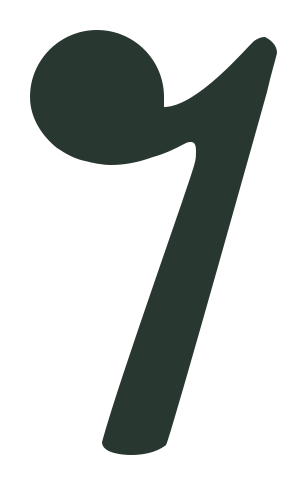 Quaver rest Quaver rest | Silence for the value of one quaver. |
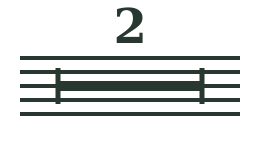 Two-bar rest Two-bar rest | Two complete bars of silence. |
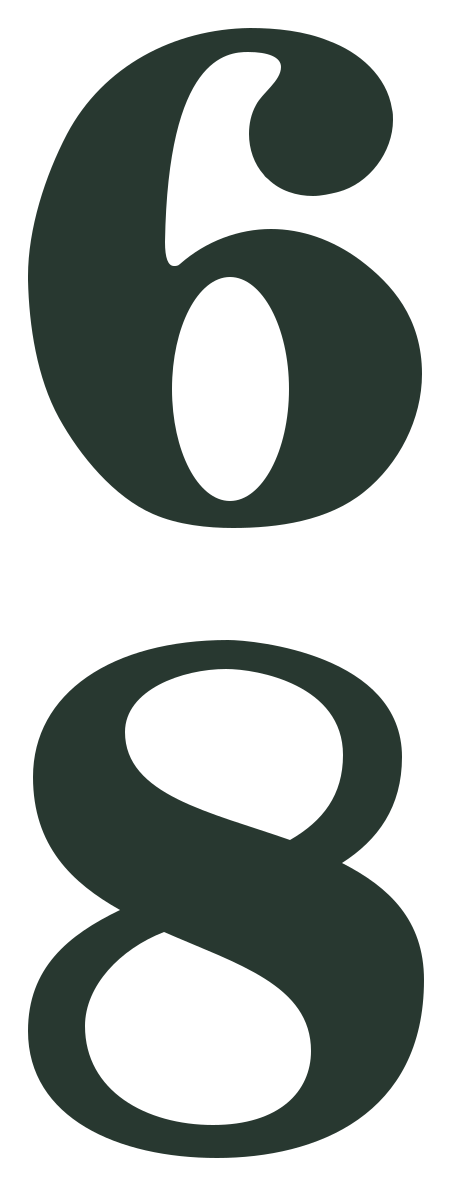
6/8 time: two dotted-crotchet beats in a bar.
Signs, terms and symbols
| Marking | Meaning | Where |
|---|---|---|
| Lively | Lively: play in a lively, energetic manner. | Beginning |
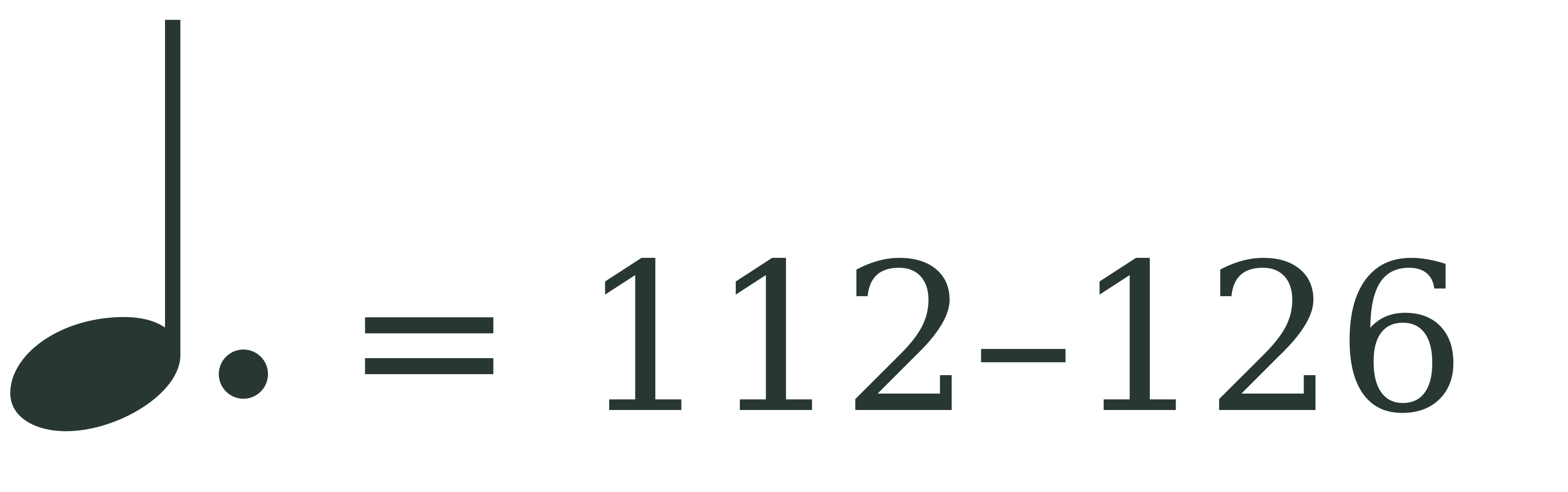 | Metronome mark: 112–126 dotted-crotchet beats per minute. | Beginning |
 | Piano: soft. | Bar 29 |
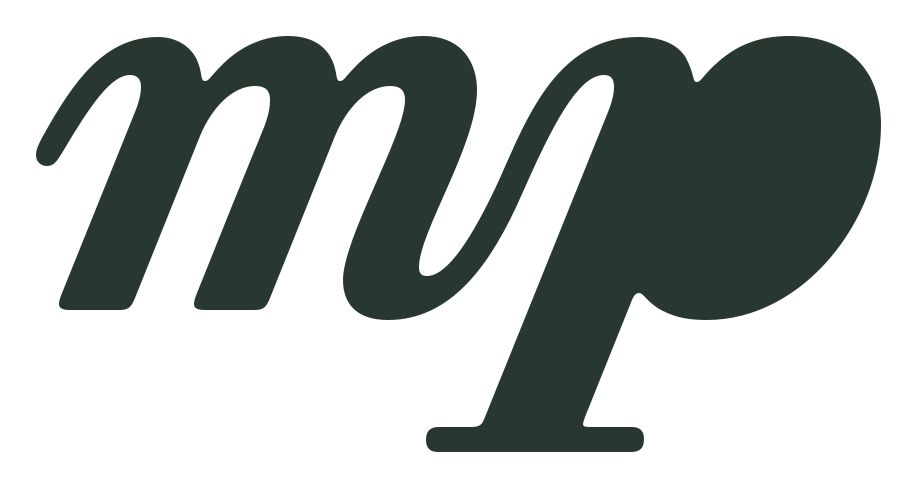 | Mezzo piano: moderately soft. | Bar 17 |
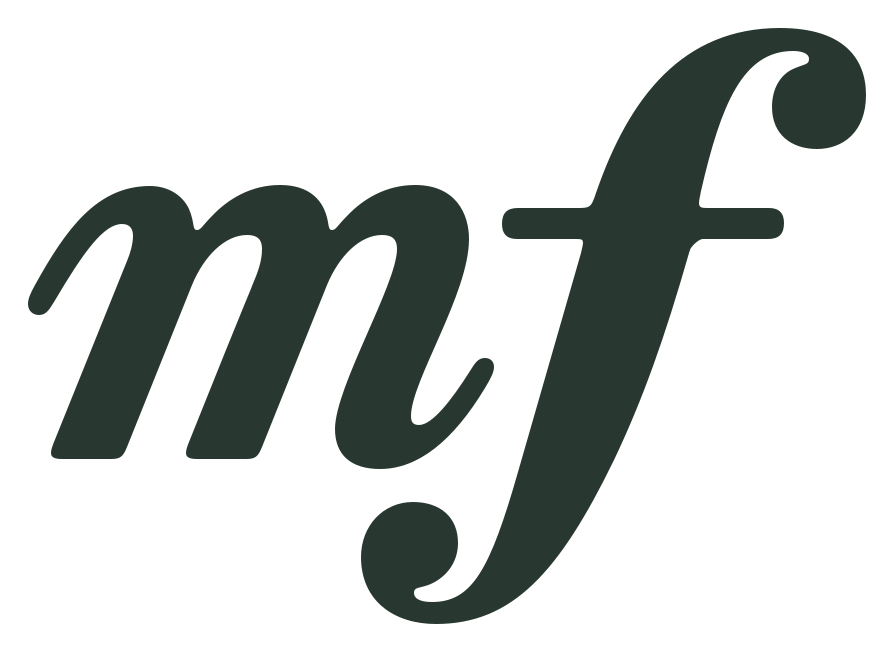 | Mezzo forte: moderately loud. | Beginning |
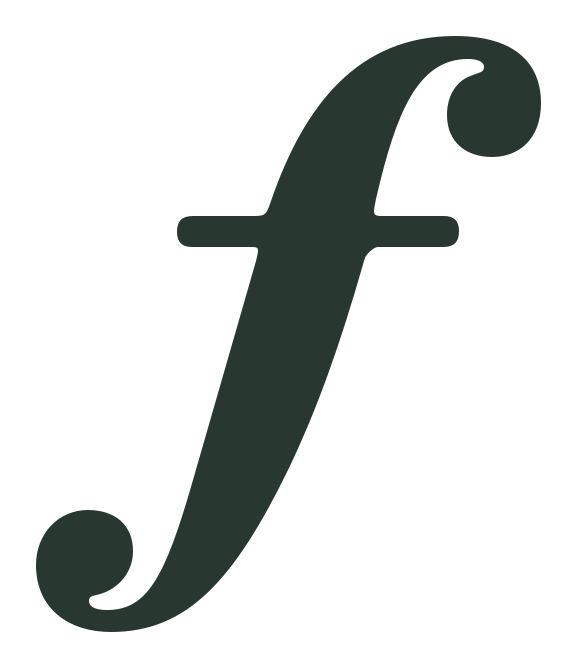 | Forte: loud. | Bar 9 |
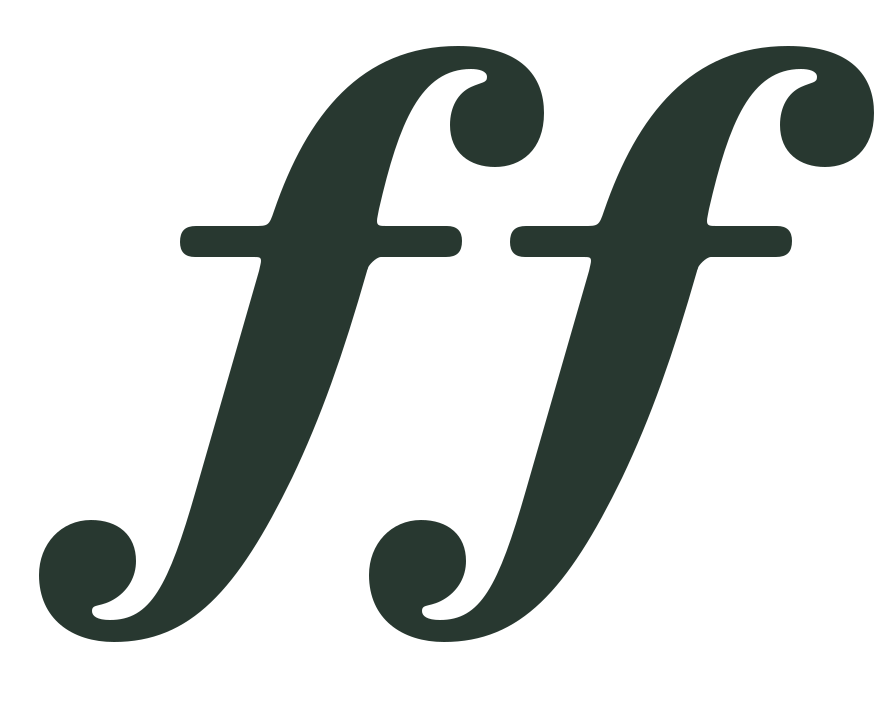 | Fortissimo: very loud. | Bar 42 |
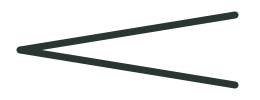 | Crescendo: gradually become louder. | Bar 8 |
 | Accent: give the note extra emphasis. | Bar 43, final note |
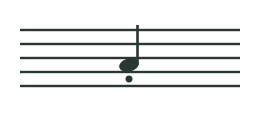 | Staccato: play the note short and detached. | Bar 43, final note |
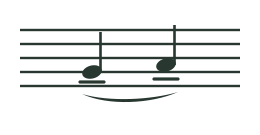 | Portato: lightly separated notes played in one bow; here shown by tenuto marks under a slur. | Bar 1, second half |
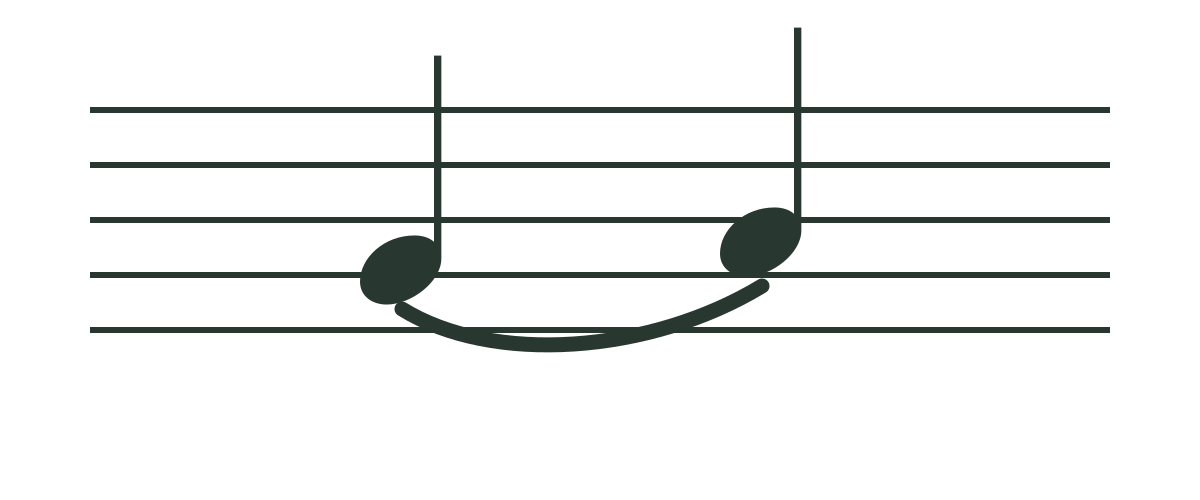 | Slur: play the notes smoothly in one bow. | Bar 5 |
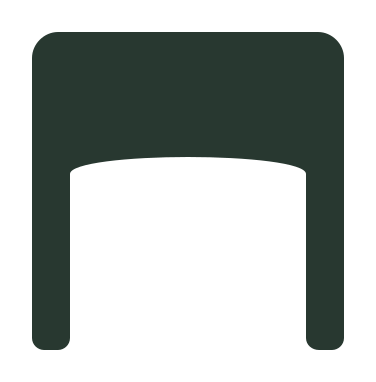 | Down bow: begin the stroke at the frog and move the bow towards the tip. | Bar 29 |
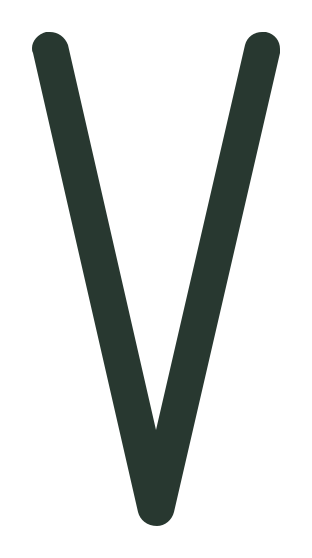 | Up bow: begin the stroke at the tip and move the bow towards the frog. | Bar 42 |
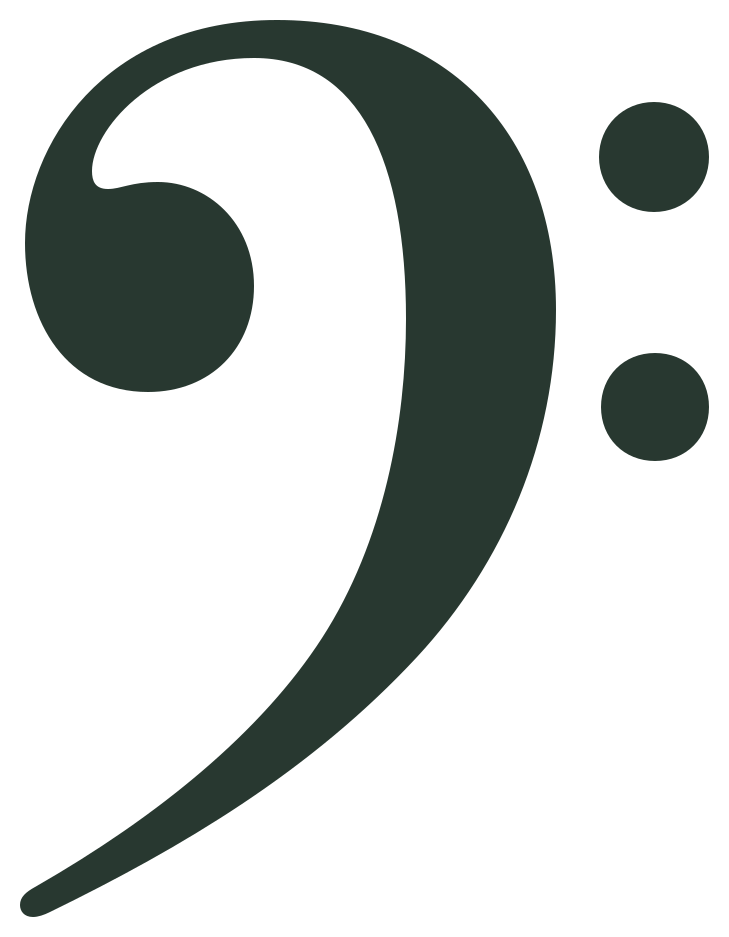 | Bass clef (F clef). | Beginning |
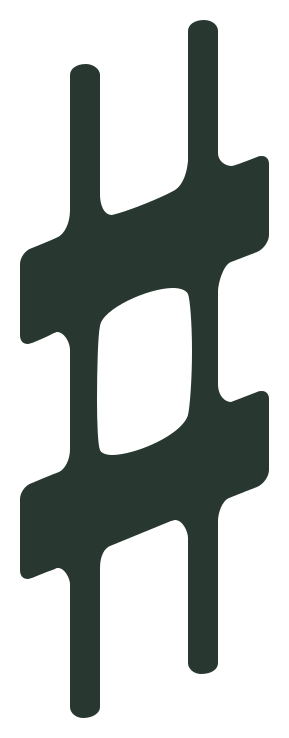 | Sharp: raises a written note by one semitone. | Key signature, beginning |
| 6/8: two dotted-crotchet beats in a bar. | Beginning |
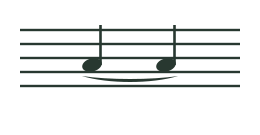 | Tie: join two notes of the same pitch into one longer sound. | Bar 28 |
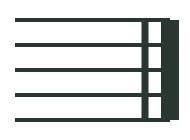 | Marks the end of the piece. | End of bar 43 |
Portato appears repeatedly: the notes are lightly separated but remain within one bow, shown by tenuto marks under a slur.
Key and tonality
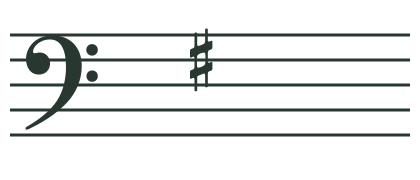
Key: E minor.
Key signature: F♯.
Key changes: there is no obvious, clear-cut modulation to another key.
Tonal contrast: the B section moves between E minor and G-major colour, especially in bars 21–24 and 29–32. This creates contrast without an obvious, clear-cut modulation.
About the title
Tarantella is a fast Italian dance, often in 6/8. Long ago, people believed that if someone was bitten by a spider, dancing a tarantella could sweat out the venom. In this piece, the Lively tempo, 6/8 metre and repeated quaver patterns give the music its dance character.
Form
Ternary (ABA)
| Bars | Section | Key | What to notice |
|---|---|---|---|
| 1–16 | A | E minor | Opening material |
| 17–32 | B | E minor / G major | Contrasting material; G-major colour is especially clear in bars 21–24 and 29–32 |
| 33–43 | A | E minor | Short return of the opening material |
Exam-style questions
- What key is Tarantella in?
Show answer
E minor.
- What does the time signature mean?
Show answer
Two dotted-crotchet beats in a bar.
- What does Lively tell you, and what does dotted crotchet = 112–126 mean?
Show answer
Play with a lively character. The metronome mark means 112–126 dotted-crotchet beats per minute.
- What is portato?
Show answer
Lightly separated notes played in one bow; here it is shown by tenuto marks under a slur.
- What is the difference between a slur and a tie?
Show answer
A slur groups different notes into one smooth bow. A tie joins notes of the same pitch into one longer sound.
- What do p, mp, mf, f and ff mean?
Show answer
Piano = soft; mezzo piano = moderately soft; mezzo forte = moderately loud; forte = loud; fortissimo = very loud.
- What do the down-bow and up-bow signs mean?
Show answer
Down bow means move the bow from frog towards tip. Up bow means move the bow from tip towards frog.
- What does the crescendo hairpin mean?
Show answer
Gradually become louder.
- What do the accent and staccato signs on the final note mean?
Show answer
The accent gives the note extra emphasis; staccato means play it short and detached.
- What is a tarantella?
Show answer
A fast Italian dance, often in 6/8. Long ago, people believed that if someone was bitten by a spider, dancing a tarantella could sweat out the venom.
This independent study guide is based on the cello part and is not published or endorsed by AMEB. Musical symbol artwork is based on Bravura, the SMuFL reference music font.