Gavotte
David Popper (1843-1913) · General Knowledge study guide
← All General Knowledge guidesAMEB Grade 4 General Knowledge
A score-based guide for the General Knowledge section of AMEB Cello Grade 4, using the cello part.


Notes and rests
Note values
| Value | Relationship |
|---|---|
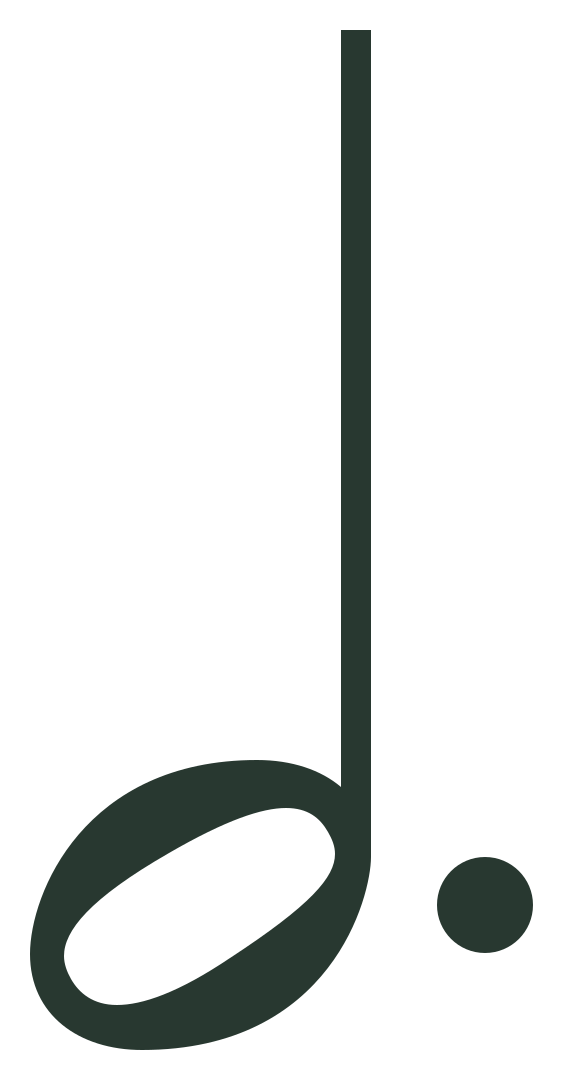 Dotted minim Dotted minim | Equal to three crotchets. |
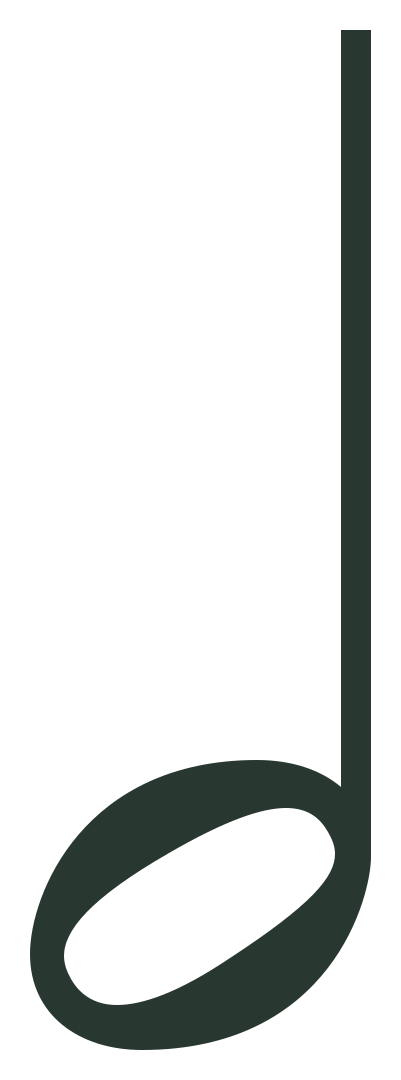 Minim Minim | Equal to two crotchets. |
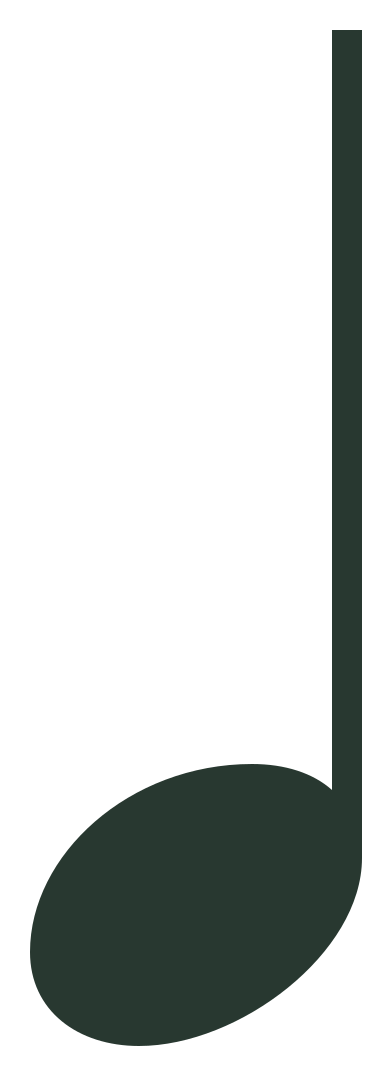 Crotchet Crotchet | Equal to two quavers. |
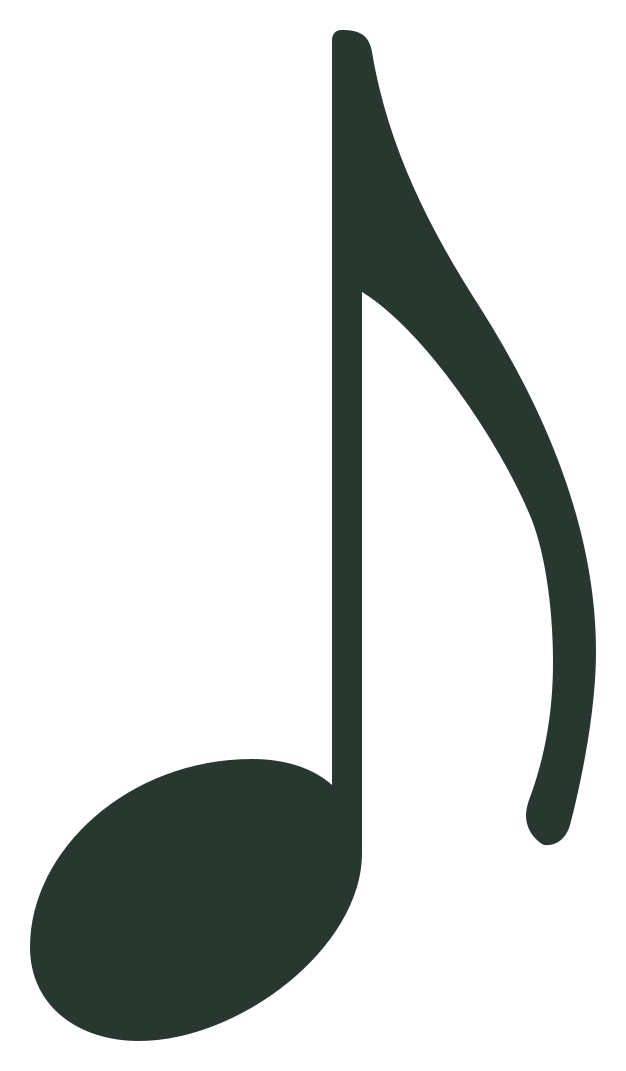 Quaver Quaver | Half the value of a crotchet. |
Rest values
| Value | Relationship |
|---|---|
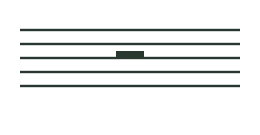 Minim rest Minim rest | Silence for two crotchet beats. |
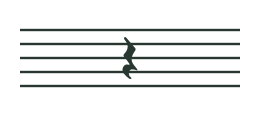 Crotchet rest Crotchet rest | Silence for the value of one crotchet. |
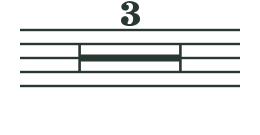 Three-bar rest Three-bar rest | Three complete bars of silence. |
Common time: four crotchet beats in a bar. Bar 20 changes to 2/4 for one bar, then common time returns in bar 21.
Signs, terms and symbols
| Marking | Meaning | Where |
|---|---|---|
| Allegro moderato | Allegro moderato: Moderately fast, with a lively but controlled pace. | Beginning |
| Crotchet = 126: 126 crotchet beats per minute. | Beginning |
| Mosso | Mosso: With more movement; a more animated tempo. | Beginning of B section, halfway through bar 22 |
| non riten. | non riten.: Do not slow down (not ritenuto). | Bar 58 |
| un poco ritard. | un poco ritard.: Slow down a little, gradually. | Bar 83 |
| Tempo primo | Tempo primo: Return to the original tempo. | Bar 59, third crotchet beat |
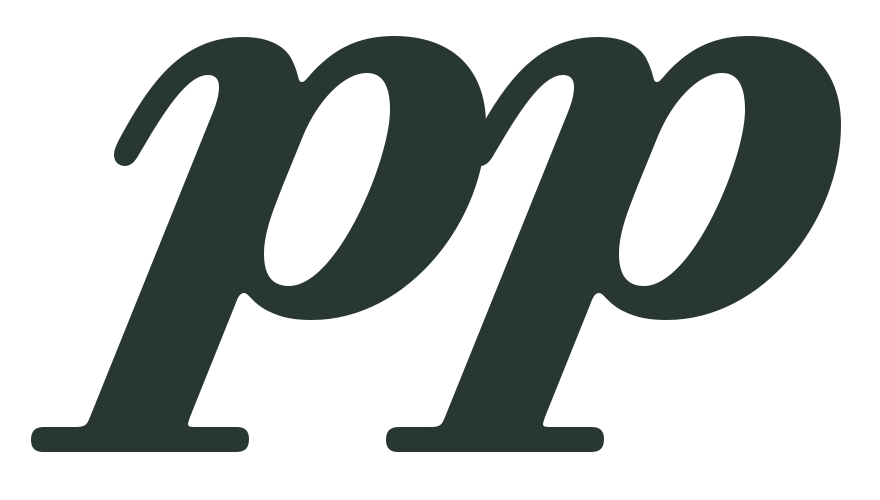 | Pianissimo: very soft. | Bar 59, third crotchet beat |
 | Piano: soft. | Anacrusis, first note; also bar 42 |
 | Mezzo forte: moderately loud. | Bar 8, third beat; also bar 44, first quaver |
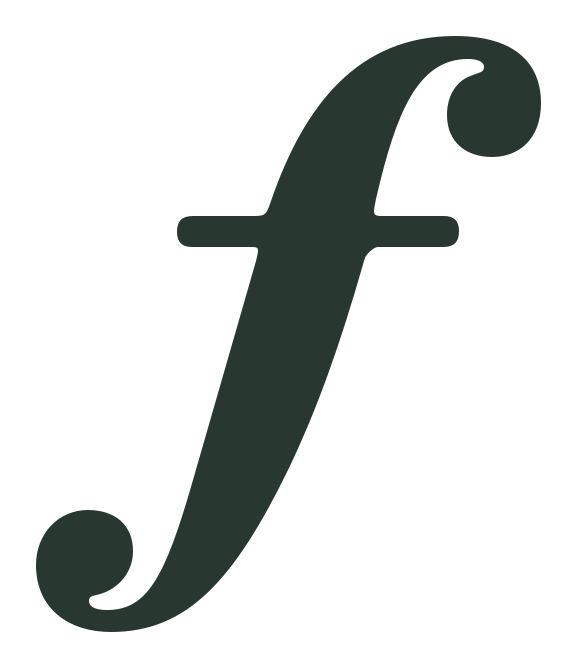 | Forte: loud. | Bar 16 |
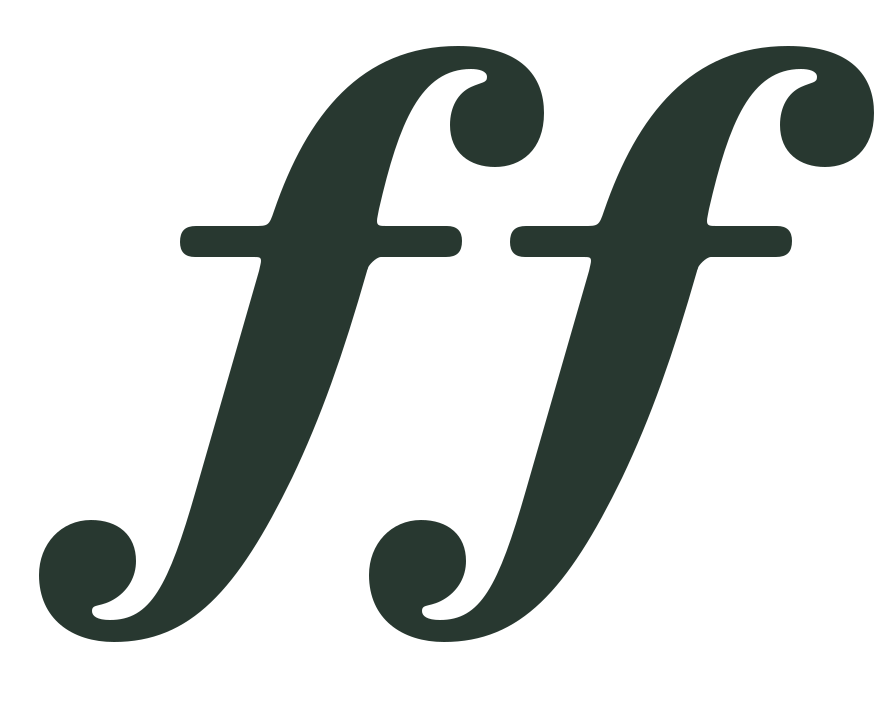 | Fortissimo: very loud. | Bar 27 |
| cresc. | Short for crescendo: gradually become louder. | Bar 76, second minim |
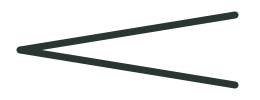 | Crescendo: gradually become louder. | Bar 13 |
| molto crescendo | molto crescendo: Become much louder, gradually. | Bar 32 |
 | Accent: give the note extra emphasis. | Bar 7 |
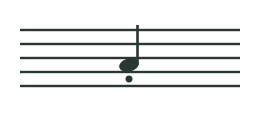 | Staccato: play the note short and detached. | Bar 57 |
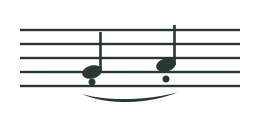 | Staccato under a slur: staccato notes played in one bow. | Bar 1 |
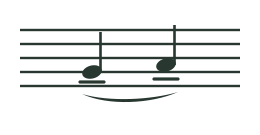 | Portato: lightly separated notes played in one bow; here shown by tenuto marks under a slur. | Bar 21, last crotchet beat |
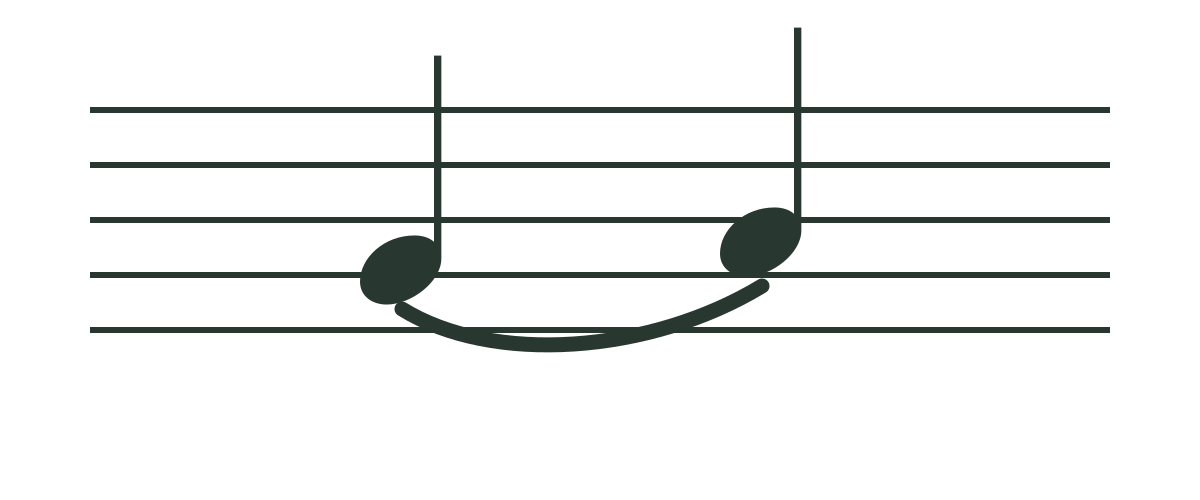 | Slur: play the notes smoothly in one bow. | Bar 3 |
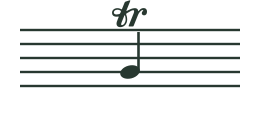 | Trill: Rapid alternation between the written note and the note above it. | Bar 3, last crotchet |
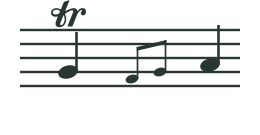 | Nachschlag: Small concluding grace notes following an ornament such as a trill. | Bar 3, after the trill |
 | Down bow: begin the stroke at the frog and move the bow towards the tip. | Anacrusis, first note |
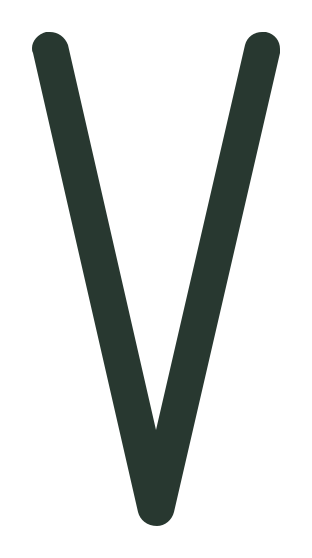 | Up bow: begin the stroke at the tip and move the bow towards the frog. | Bar 11, first beat |
| + | Left-hand pizzicato: pluck the string with a left-hand finger. | Bar 44, second quaver |
| II | II (second string): Play on the second string, the D string. | Bar 12, beginning |
 | Natural harmonic: lightly touch the string at a harmonic point to produce a clear, high overtone. | Bar 8, final note |
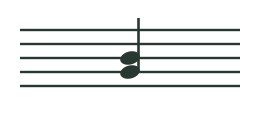 | Double stop: Two notes sounded at the same time. | Beginning of B section |
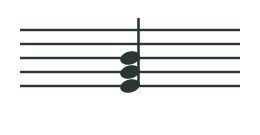 | Triple stop / chord: three notes played as a chord. On the cello, the bow usually rolls across the strings. | Bar 52, third crotchet beat |
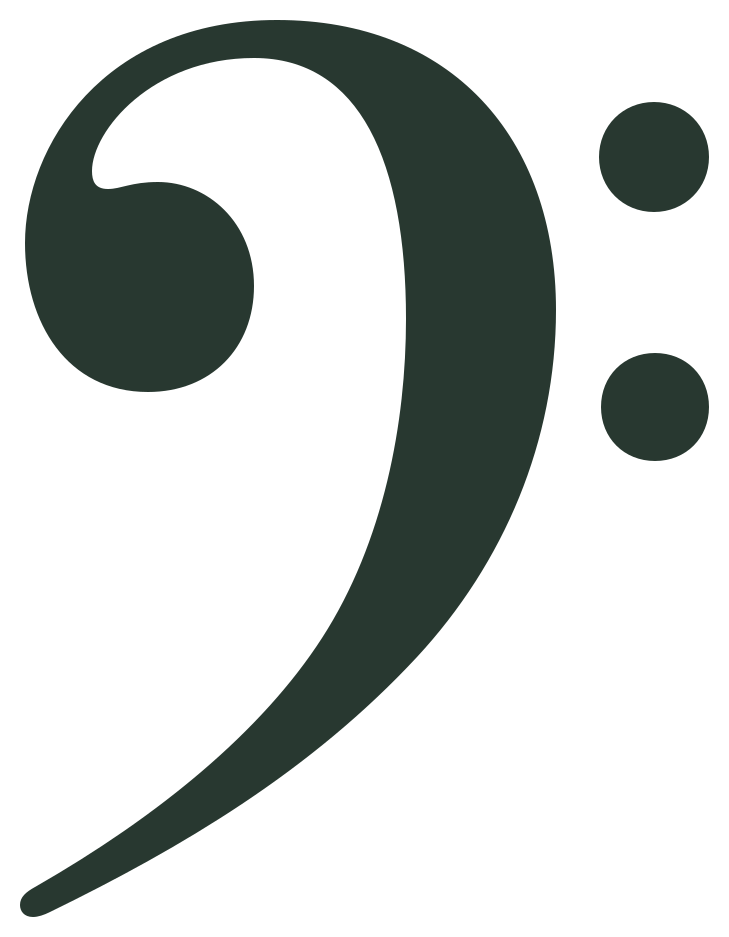 | Bass clef (F clef). | Beginning |
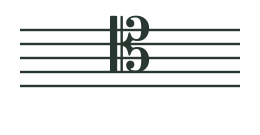 | Tenor clef: The C clef, placing middle C on the fourth line of the stave. | Bar 18, second beat |
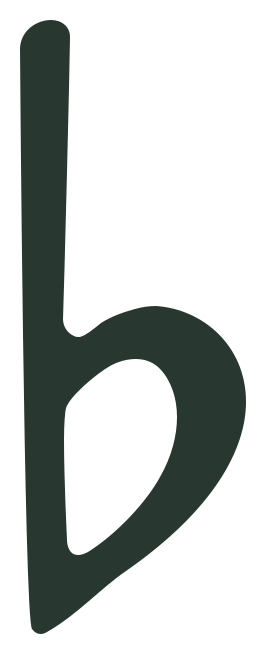 | Flat: lowers a written note by one semitone. | Key signature, beginning |
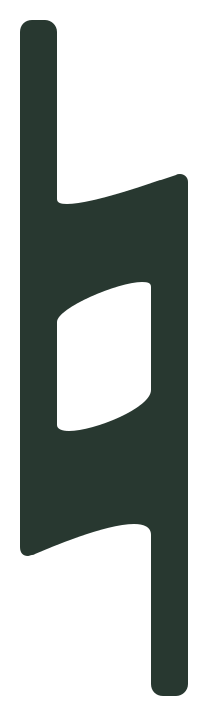 | Natural: cancels a sharp or flat and returns the note to its natural pitch. | Bar 12, second crotchet |
 | Sharp: raises a written note by one semitone. | Bar 11, third beat (C♯) |
| Common time: the same as 4/4, with four crotchet beats in a bar. | Beginning; returns in bar 21 |
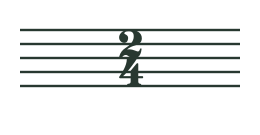 | 2/4 time: Two crotchet beats per bar. | Bar 20 |
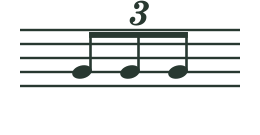 | Quaver triplet: Three quavers played in the time normally taken by two quavers. | Bar 12, last crotchet beat |
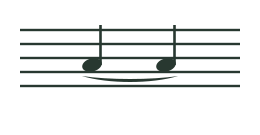 | Tie: join two notes of the same pitch into one longer sound. | Bar 17 into bar 18 |
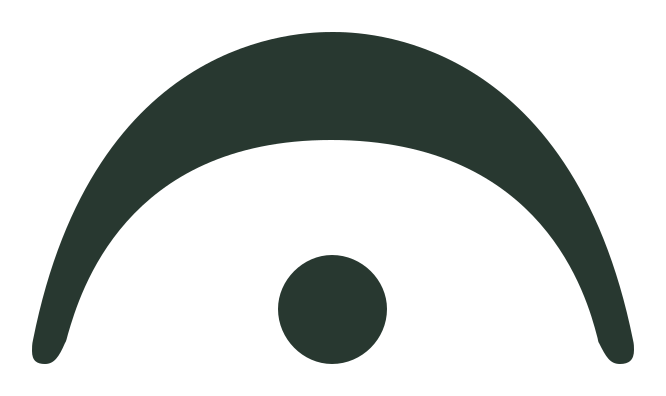 | Fermata: hold the note longer than its written value. | Bar 84 |
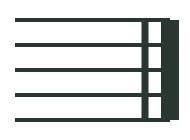 | Marks the end of the piece. | End of bar 84 |
The opening is a two-crotchet anacrusis. The final bar is also two crotchets long, completing the missing half of the opening common-time bar.
Key and tonality
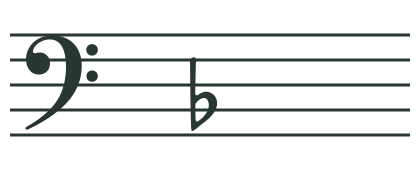
Key: D minor.
Key signature: B♭.
Key changes: B section, from halfway through bar 22: F major; Tempo primo return, bar 59: D minor
A section: D minor.
B section: F major.
Return: D minor at Tempo primo.
About the title
Gavotte is the name of a French dance in duple metre. Gavottes traditionally begin halfway through the bar. Popper’s piece begins with a two-crotchet anacrusis in common time, and the shortened final bar completes the missing half of the opening bar.
Form
Ternary (ABA)
| Bars | Section | Key | What to notice |
|---|---|---|---|
| Anacrusis to 22 | A | D minor | Opening section |
| 22 to 58 | B | F major | More animated middle section |
| 59 to 84 | A | D minor | Returns at Tempo primo |
Exam-style questions
- What key does Gavotte begin in?
Show answer
D minor.
- What does common time mean?
Show answer
Four crotchet beats in a bar.
- What does Allegro moderato mean, and what does mean?
Show answer
Allegro moderato means moderately fast.
means 126 crotchet beats per minute. - What is an anacrusis?
Show answer
An incomplete opening bar before the first full bar. Here it lasts two crotchet beats, and the final bar supplies the other two beats.
- What is a Nachschlag?
Show answer
A small note or notes played after a trill, leading into the next written note.
- What does the Roman numeral II mean?
Show answer
Play the passage on the second string, the D string.
- What is a double stop?
Show answer
Two notes played at the same time.
- What does the + sign mean in bar 44?
Show answer
Left-hand pizzicato: pluck the string with a left-hand finger.
- What does non riten. mean?
Show answer
Do not slow down.
- What does Tempo primo mean?
Show answer
Return to the first tempo.
- What clear-cut key change happens in the middle section?
Show answer
The B section is in F major, then the music returns to D minor at Tempo primo.
This independent study guide is based on the cello part and is not published or endorsed by AMEB. Musical symbol artwork is based on Bravura, the SMuFL reference music font.